MOMENTA is partnering with visionaries in film and video to offer a program of videos that inspire engaged, sensitive reflections on society. This multi-part program, created by guest curators and our partners, presents the work of more than twenty international contemporary artists, both emerging and established. The screenings will be in the original language, accompanied, as needed, by French subtitles. Discussions following the sessions will be held in French.
IMAGE WAR ON REALITY
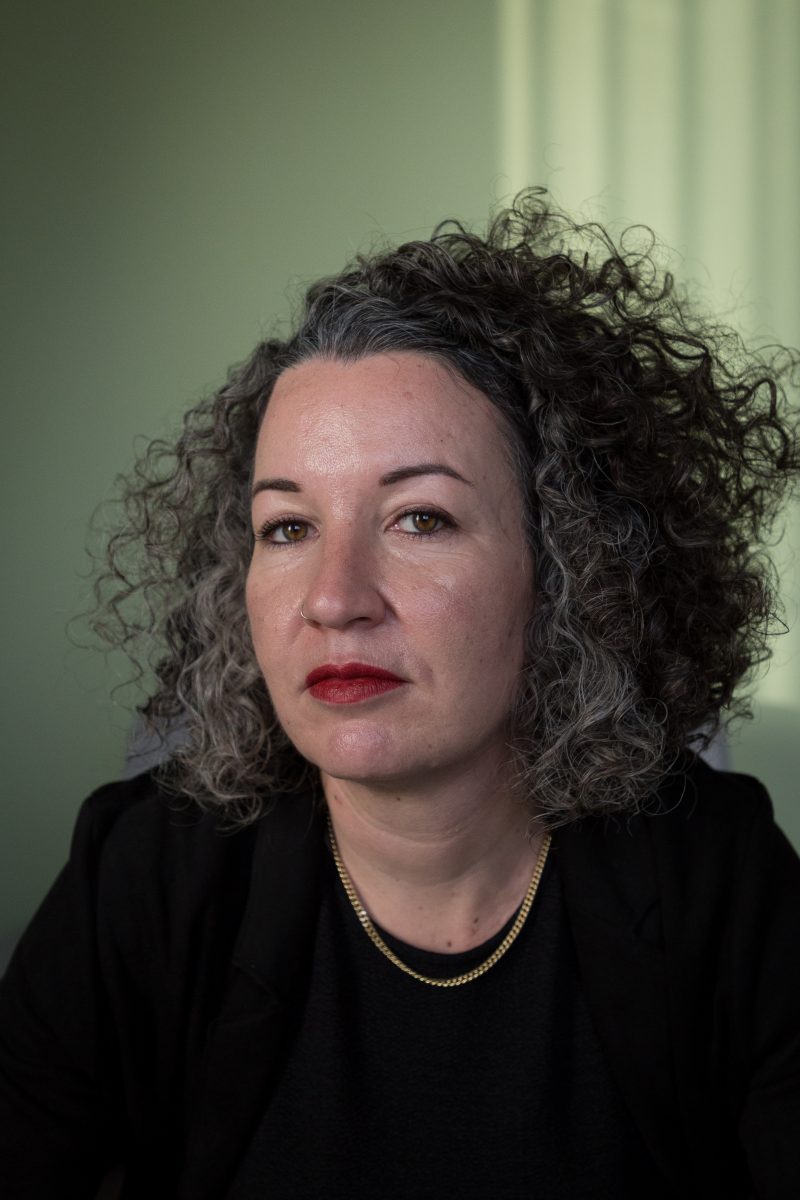
programmed by Yaniya Lee
Through our screens, we experience the world in moving images, yet these images have a limited capacity for carrying reality. Sometimes they hold back, or other times they show too much. This program is about how images are made. It's not just about what they show, but more precisely how that subject is captured and presented.
John Smith, Marcell Iványi, Razan AlSalah, ariella tai, Dana Dawud, and Terence Dixon expose how visual narratives are knit: in each of their works, a carefully constructed set of moving images draws attention to our processes for assigning significance. Here visual puns, popular culture, violence, memory and war are presented through a variety of methods. In editing and dolly shots, glitched images and distorted sound, choreographed rhythm, and intense texture and color. Formal experimentation demonstrates the inexact link between meaning and representation.
Because something is at stake. How we receive and decipher moving images has changed over time. Think of the difference between the Instamatic cameras of the 1970s, the VHS camcorders of the 1990s, and the GoPros and cell phones we are used to now. How these mediums record alters what we see on screen, and shifts our perception of the world. What I’m interested in is how moving images show you what they show. And if we focus on that construction, I think these methods will reveal the ways in which representation can be at odds with reality, or conjure more than any image could ever contain.
Associations, John Smith, 1975, 7min
Images from magazines and colour supplements accompany a spoken text taken from Word Associations and Linguistic Theory by the American psycholinguist Herbert H Clark. By using the ambiguities inherent in the English language, Associations sets language against itself. Image and word work together/against each other to destroy/create meaning. Smith’s rebus reminds us that we always already have associations for what we see.
Wind (Szél), Marcell Iványi, 1996, 7min
Taking inspiration from The Three Women, a 1951 photo by Lucien Hervé, Wind asks what might lie outside the frame. This 360 degrees exploration of a scene imagined occurs in the remote countryside, where three women witness an unsettling event. In the world of Wind, Iványi explained in one interview, locals “been seeing people dying before their very eyes and are just not sensitive to that any more. Just as when we watch television, CNN, every day, and we are not sensitive any more.”
Cavity, Ariella Tai, 2019, 6min
cavity is a video that considers revenge. Sourcing and manipulating images and audio from popular and cult media, cavity seeks to treat black women’s narrative and performance as malleable—containing possibilities for agency, alternate readings and resolutions. What would it look like to fight back against those who dispose of us? What would it look like to enjoy it? tai uses glitch to repossess and distort recognizable images, creating new narratives in the process.
Your Father Was Born 100 Years Old And So Was The Nakba, Razan AlSalah, 2017, 7min
Oum Ameen, a Palestinian grandmother, returns to her hometown Haifa through Google Maps Streetview, today, the only way she can see Palestine. Navigational software on the internet becomes the bridge for exploring an inaccessible place, and another time.
Palcorecore, Dana Dawud, 2023, 6min
Dana Dawud’s Palcorecore is a hypnotic fusion of dance, archival footage, and internet-circulated videos that collapse past and present into a visceral portrait of Palestinian life. The title of this program is an adaptation of a line from Dawud’s film, in which she uses corecore aesthetic to show a montage of Palestinian life and resistance. “This digital realm becomes a repository of defiance,” she once explained in an essay, “where the act of documenting, sharing, and witnessing these images serves as a counter-narrative to the prevailing discourse of despair.”
Meeting the Man: James Baldwin in Paris, Terence Dixon, 1970, 28min
A meeting with James Baldwin doesn't go quite according to plan for a group of pretentious white filmmakers in this extremely rare short film set in Paris. It's an instructive snapshot of Baldwin's intellectual worldview, full of friction and ideas. In this portrait the writer obfuscates and dissembles in opposition to the director’s insistent prerogative. Dixon’s film subtly reveals how editing is crucial in shaping our perception of any subject.